
Showing a house to sell quickly consists of preparing, presenting, and guiding the viewing strategically to help the buyer understand the real value of the property and make a decision in less time. It is not just about showing a space, but about building an experience that reduces doubts and increases the perception of opportunity.
In Spain, the average time to sell a property usually ranges between 3 and 6 months, depending on the area and the price. However, many transactions take longer not because of a lack of demand, but because of how the property is presented during the sales process. Every poorly managed viewing is a missed opportunity.
If you are thinking about selling your home, there is a moment that makes the difference between generating real interest or losing opportunities: the viewing. It is not just about showing a house. It is about knowing how to present it, guide the buyer’s experience, and properly manage what happens before, during, and after they walk through the door.
Throughout my experience accompanying property owners in this process, I have found that many homes do not take long to sell because of the market, but because of how they are being shown. Small details in preparation, in the flow of the viewing, or in the way things are communicated can speed up or slow down a decision.
In this article, I explain in a practical and direct way how to show a house to sell faster, with a complete approach that goes far beyond tidying up and cleaning.
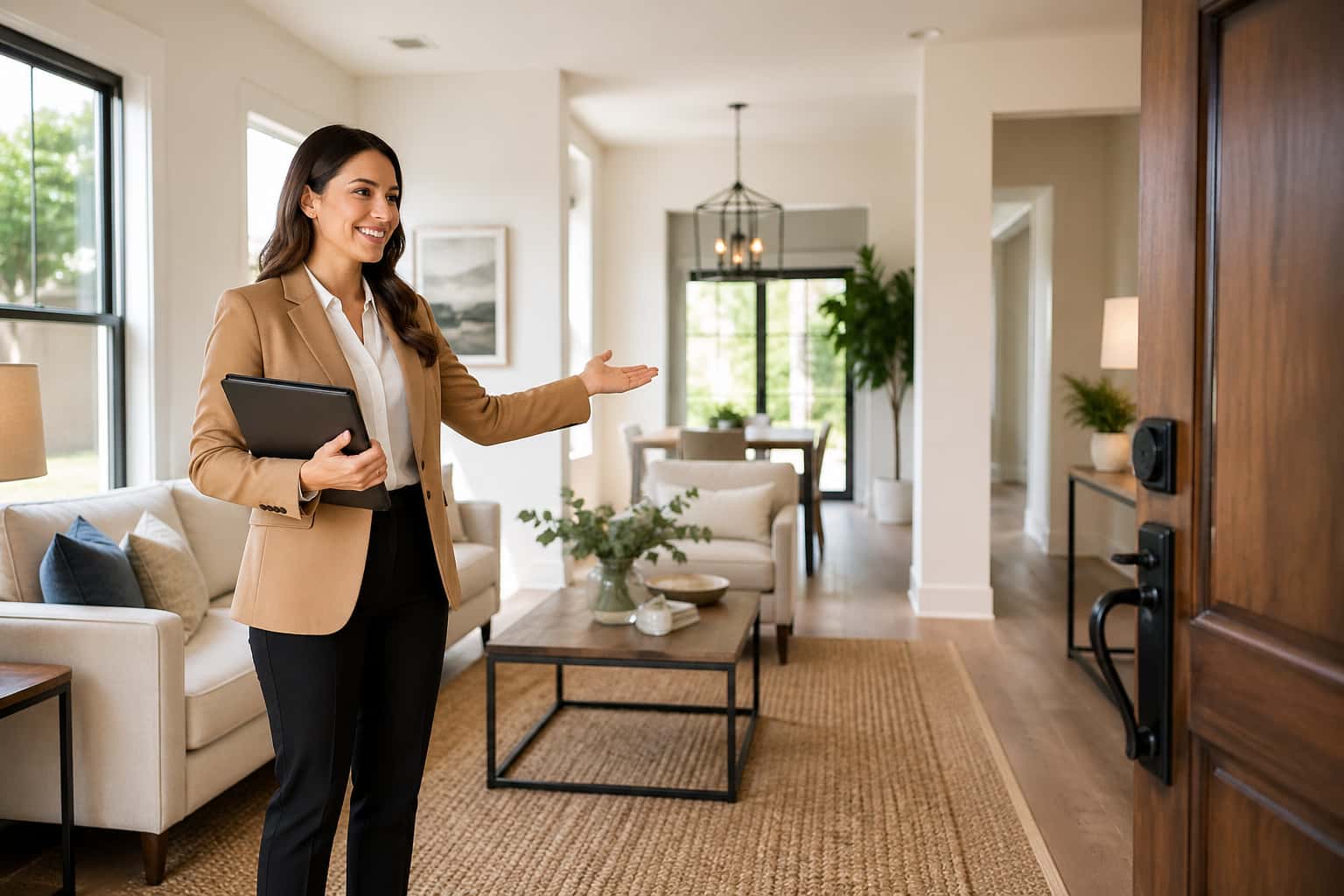
What a buyer really expects when visiting a property
Before going into specific recommendations, it is worth understanding how a person thinks when they visit a house with the intention of buying.
A buyer does not enter just to look at square meters. They enter to check whether that space can fit into their life. They look for sensations: space, order, light, maintenance, and above all, coherence.
In the first few minutes, an impression is formed that is very difficult to reverse. If the property conveys neglect, disorder, or discomfort, interest quickly drops. If it conveys clarity, calm, and functionality, the viewing moves forward with a different mindset.
That is why showing a house well does not consist of exaggerating its strengths, but of making it easy for the buyer to understand its value without friction.
How to prepare the house before the viewing p
The preliminary phase is where most decisions are won before the buyer is present. This is not about doing renovations, but about removing obstacles.
The first thing is order. A clear space allows the real dimensions of the property to be perceived better. Too many personal items create visual noise and make it difficult for the visitor to imagine living there.
Cleaning is also essential. Not only the obvious. Details such as smells, kitchen, bathrooms, or windows influence much more than is usually thought. The overall feeling should be one of care and maintenance.
Light plays another fundamental role. Whenever possible, natural light should be maximized. Raising blinds, opening curtains, and choosing the right time for the viewing can completely change the perception of a space.
Another important aspect is checking small defects. Doors that do not close properly, dripping taps, or marked walls are not major problems, but they raise doubts in the buyer about the overall condition of the property.
Finally, temperature and atmosphere. A pleasant, ventilated, and balanced home conveys comfort. It may seem like a minor detail, but it directly influences the viewing experience.
How to show the house during the viewing to sell quickly
This is where many owners make mistakes without realizing it. Showing a property is not about opening the door and letting the buyer move around freely.
The viewing should follow a natural flow. Starting with the most representative areas helps create a good first impression. Normally, the living room or the day area is the best starting point.
It is important to accompany, but without invading. The buyer needs space to observe, but also needs context. Explaining just enough, at the right moment, makes the difference.
A common mistake is talking too much. It is not about justifying every detail, but about highlighting what is relevant: orientation, layout, use of spaces, surroundings, community… what truly adds value.
Transparency is also essential. If the buyer detects inconsistencies or feels that information is being hidden, trust disappears. And without trust, there is no decision.
Another key point is adapting the message. It is not the same a family looking for a primary residence, an international buyer, or someone looking for a second home. Understanding who is in front of you allows you to better approach the viewing.
Listing and photography: what happens before the viewing
Before a person visits a property, they have already made a decision: whether it is worth seeing.
A poorly structured listing attracts unqualified visits and wastes time. A well-crafted one filters better and improves the quality of interest.
Professional photography, good lighting, visual order, and a clear and realistic description directly influence the buyer’s perception even before entering the property.
What a good listing should include
- Professional photographs (not improvised)
- Good lighting and visual order
- Video or 360º tour
- Clear and realistic description
- Descriptive headline (not generic)
- Floor plan of the property (if possible)
Furnished vs empty property: how the strategy changes
The approach changes depending on whether the property is occupied or not.
A furnished property can feel more welcoming and help understand the use of spaces, but it can also create visual noise or excessive personalization.
An empty property conveys space and order, but it may feel colder and make emotional connection more difficult.
In both cases, the objective is the same: to help the buyer understand the space and imagine living in it.
Mistakes that cause lost sales without the owner noticing
There are recurring situations that directly affect the result.
Showing the house in poor condition, without prior preparation, is one of the most common. Another is not filtering visits properly. Showing the property to people without real fit only wears down the process and can create a negative perception.
Pressuring the buyer is also a mistake. Forcing decisions or trying to close during the visit usually has the opposite effect.
Lack of knowledge about the property or the surroundings also works against the seller. If the owner cannot confidently answer basic questions, credibility is affected.
Finally, poor time management. Accumulated visits, lack of organization, or unsuitable times reduce the quality of the experience.
How to answer difficult buyer questions to speed up the sale
During a viewing, there are always questions that go beyond the superficial.
Price is one of them. It is not about defending it without more, but about explaining it logically: location, characteristics, market, condition of the property.
The reason for selling also comes up. The recommendation is to be natural and consistent. Evasive answers generate distrust.
The condition of the property or possible improvements also arise. Acknowledging what is evident and explaining the context conveys confidence.
And very important: associated costs. Community fees, taxes, utilities… these are data that the buyer values to make decisions.
Answering clearly, without beating around the bush, helps build a relationship of trust that is decisive in this process.
What to do after the viewing to close the sale
The viewing does not end when the buyer leaves.
Follow-up is one of the most undervalued parts. Knowing what they thought of the property, resolving doubts, and maintaining contact allows progress toward a decision.
It also helps detect the real level of interest. Not all visits have the same value. Learning to distinguish them avoids wasting time and allows focusing on buyers with greater potential.
In many cases, good post-viewing management makes more difference than the viewing itself.
When everything fits, the property sells sooner
Selling quickly does not depend on a single factor. It is the result of doing several things well at the same time.
A well-prepared property, a well-guided viewing, and proper follow-up create a more fluid and efficient process.
In the current market, where buyers compare and analyze more than ever, the way a property is presented has a real impact on the final result.
Cumbre del Sol Pre-Owned: local expertise in property sales
If you are considering selling a property in Cumbre del Sol, having specific knowledge of the area makes a difference.
At Cumbre del Sol Pre-Owned, we specialize exclusively in the sale of properties in this area. This allows us to understand how buyers behave, what they value during a viewing, and how to approach each property to maximize its appeal.
Each property is different, but the approach is always the same: present the property correctly, attract the right buyer, and accompany the process through to closing with clear criteria.
If you want to sell your property in Cumbre del Sol with Experts, do not hesitate to contact us, we will take care of the entire process for you.
Frequently asked questions about how to show a house to sell quickly
Is it necessary to renovate before showing a property?
Not always. In most cases, proper preparation, cleaning, and small adjustments are enough to improve the buyer’s perception and speed up the decision.
What is the most important thing during a viewing?
The first impression. Light, order, and a sense of space directly condition the buyer’s interest from the first minutes.
Should I be present during the viewing?
It is not recommended. The presence of the owners often creates discomfort for buyers, who may feel inhibited when asking questions, sharing their opinions, or taking the time needed to properly assess the property. The most effective approach is for our team to handle the viewing, creating a relaxed atmosphere, answering questions objectively, and highlighting the property’s strengths.
How many viewings are needed to sell a house?
There is no exact number. What matters is the quality of the visits, meaning that there is real alignment between the buyer and the property.
What should I do if there are visits but no offers?
It is a clear sign of misalignment. Usually, the problem lies in the price, the presentation, or the type of buyer being attracted.
Does the listing influence the sale?
Yes. A good listing improves the quality of visits and increases the chances of closing the deal.
Is it better to sell a house empty or furnished?
It depends. A furnished property can feel more welcoming, while an empty one conveys space. The key is to adapt the strategy.
